

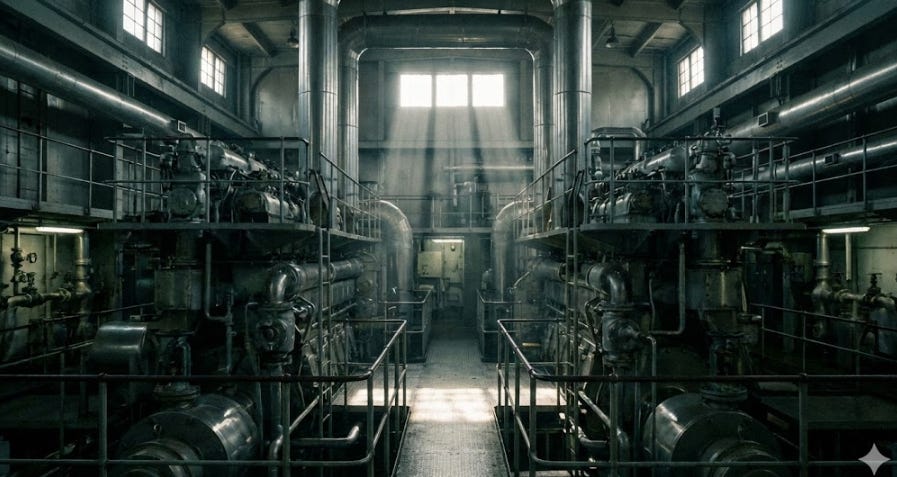
Image: AI-generated Illustration of an Engine Room
This week, I noticed a pattern in my own work. The deeper I went into structure, the quieter everything around me became.
I found myself thinking about systems, incentives, and how institutions behave once money and power enter the story. Not in theory, but in the small decisions that decide who gets credit, who gets access, and who carries the risk when things go wrong.
Some of that sat in how professional bodies use their budgets. Some of it sat in how policy tools land in the real world. The details differ, the pattern does not.
That kind of thinking does not give you a rush. It gives you questions.
The first question was about posture. Do I want to live in complaint mode, or keep asking, “What kind of structure would stop this from happening again to anyone else?”
The next question was about responsibility. It is easy to criticise institutions for feeling like event committees or networking circles. It is harder to look at how budgets are approved, what subscriptions are funding, and what kind of capability could exist if the same money built outreach, research, or serious engagement with regulators.
The last question was about attention. As the work goes deeper, public reactions often fall, and quiet readers increase. Fewer visible signals, more people who think in silence, reach out privately, or simply adjust how they move. It is a reminder that not all impact shows up where everyone can see it.
Underneath all of this is a simple shift.
Less outrage, more architecture. Less performance, more design. Less energy spent proving a point, more energy spent building something that can outlast opinion.
We all choose our own engine rooms.
For me, that work is anything that moves us closer to economic dignity: where systems are fairer, risk is shared more honestly, and people are not punished for the effort of trying to build something better.
If the room gets quieter as you go deeper, it does not always mean you are off course. Sometimes it simply means you have stepped out of the theatre and into the engine room.
Less noise. More responsibility.